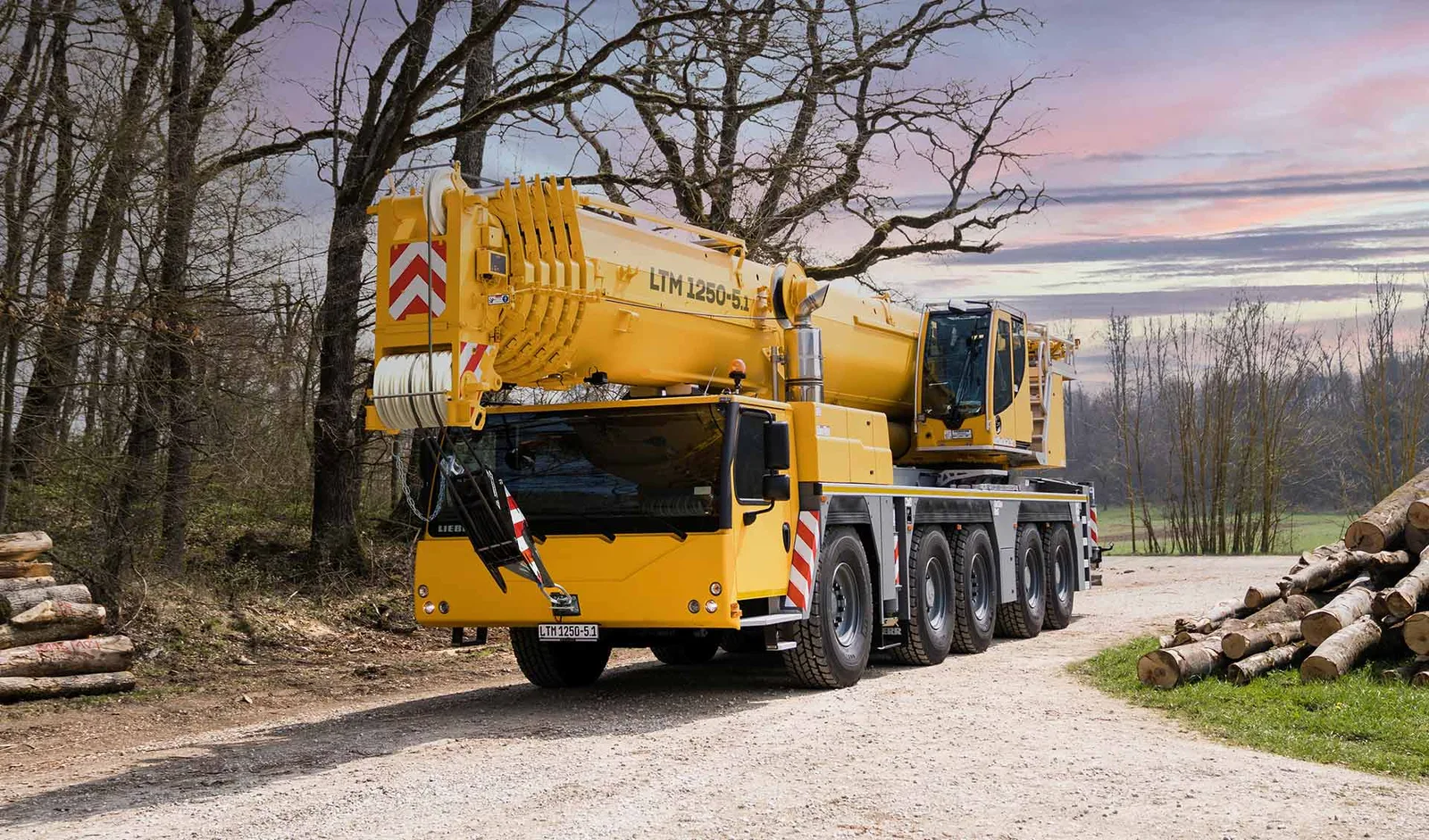
ESTA, the European association of abnormal road transport and mobile cranes, will start the first pilot phase of an incident-sharing system in January 2027. Companies will be able to report accidents, near misses and technical faults so that the industry can spot common risks, build up a body of good practice and stop the same incidents happening again.
How it will work
A working group of ESTA's Health, Safety and Environment (HSE) Commission is developing the system. The commission is chaired by Iffet Türken, who also heads ESTA's transport section. The scheme is meant to be open to the whole contracting chain – crane and transport companies, their clients and equipment manufacturers – and not only to ESTA members.
ESTA has not yet said who will take part in the pilot, how reports will be collected and anonymised, or what will follow the pilot. The plans were presented on 23 October at the association's 50th anniversary conference in Amsterdam. Türken said the aim is not more rules but connecting the experience the industry already has, and that shared information should serve safety rather than be used to assign blame.
Where the idea came from
Early in 2026 ESTA published the results of an industry safety survey:
- 175 companies and individuals from heavy lifting and transport responded;
- 90 per cent saw ESTA as a reliable, neutral party to collect such data;
- almost two-thirds said they would be willing to share incident reports and technical issues.
Following the survey the association set up two working groups, one on incident sharing and one on common safety standards.
Why aviation
Aviation has long shared incident information systematically; the European Union Aviation Safety Agency, EASA, gathers accident and incident data from across the EU. As ESTA has pointed out, such systems rest on three things: protection for those who report, anonymised data, and a focus on learning rather than punishment.
That matters in the crane business. Most dangerous moments – a load that slips without hurting anyone, an outrigger that sinks, a misread signal – end without harm and stay inside one company. Reports on serious accidents, such as the overhead crane that fell into a furnace in Turkey or the STS crane toppled at Yantian, come from investigators, often much later and in different forms in each country. A shared database could reveal recurring causes before they lead to disaster.
Source: ESTA