Articles
Guides to choosing cranes, explainers on specifications and comparisons, written by the editors and based on catalog data.
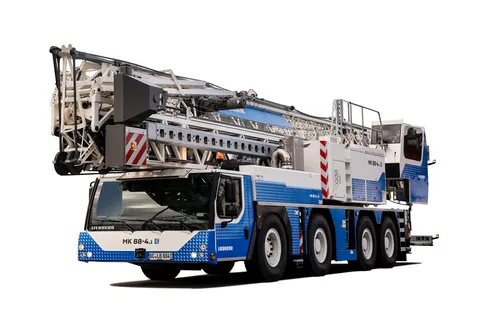 ReferenceAxle loads: why the same crane comes in 12, 10 and 9 tonne versionsRoad rules shape crane design as much as lifting duty. The limits in different markets and five ways manufacturers meet them.
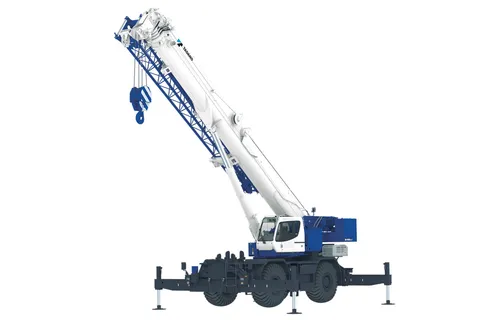 GuideTruck, All Terrain, rough terrain or crawler: choosing a crane by its carrierSix carrier types for mobile cranes: what each does well, where it is limited and which models are typical.
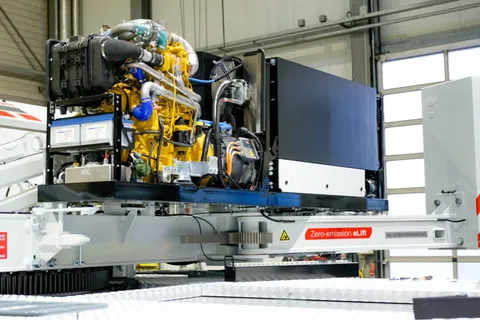 ComparisonElectric cranes in 2026: battery, hybrid or plugThree electric drive concepts and the cranes already being delivered, from a three-axle Spierings to 300 tonne crawlers – and what makers still do not say.
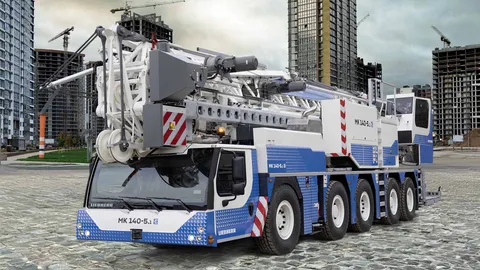 ComparisonMobile tower cranes in 2026: how the Liebherr MK and Spierings ranges compareTwo manufacturers, nine models on three to six axles. Capacity, radius, hook height and drive concepts of mobile tower cranes compared.
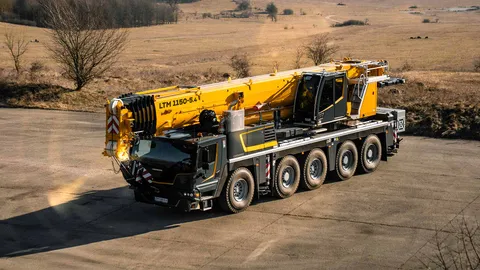 GuideWhy a 150 tonne crane rarely lifts 150 tonnes: how to read rated capacityThe number in a crane's name is its maximum at minimum radius. Radius, load moment and load charts explained with real examples.ComparisonAll-terrain crane or truck crane: what is the differenceCarrier, off-road ability, capacity classes and cost of ownership — when a truck crane on a commercial chassis pays off and when you need an all-terrain crane.GuideHow to choose a tower crane for a construction siteTen questions to answer before ordering a crane: the heaviest lift, the load at the jib tip, height, tie-ins, crane type and site constraints.GuideHow to read a crane load chartRadius, boom length, counterweight and outriggers explained with a simple example — and why a 60-tonne crane lifts only about ten tonnes at 16 metres.